2026.2.27
地域の屋根を守っていく
SU Interview vol.02
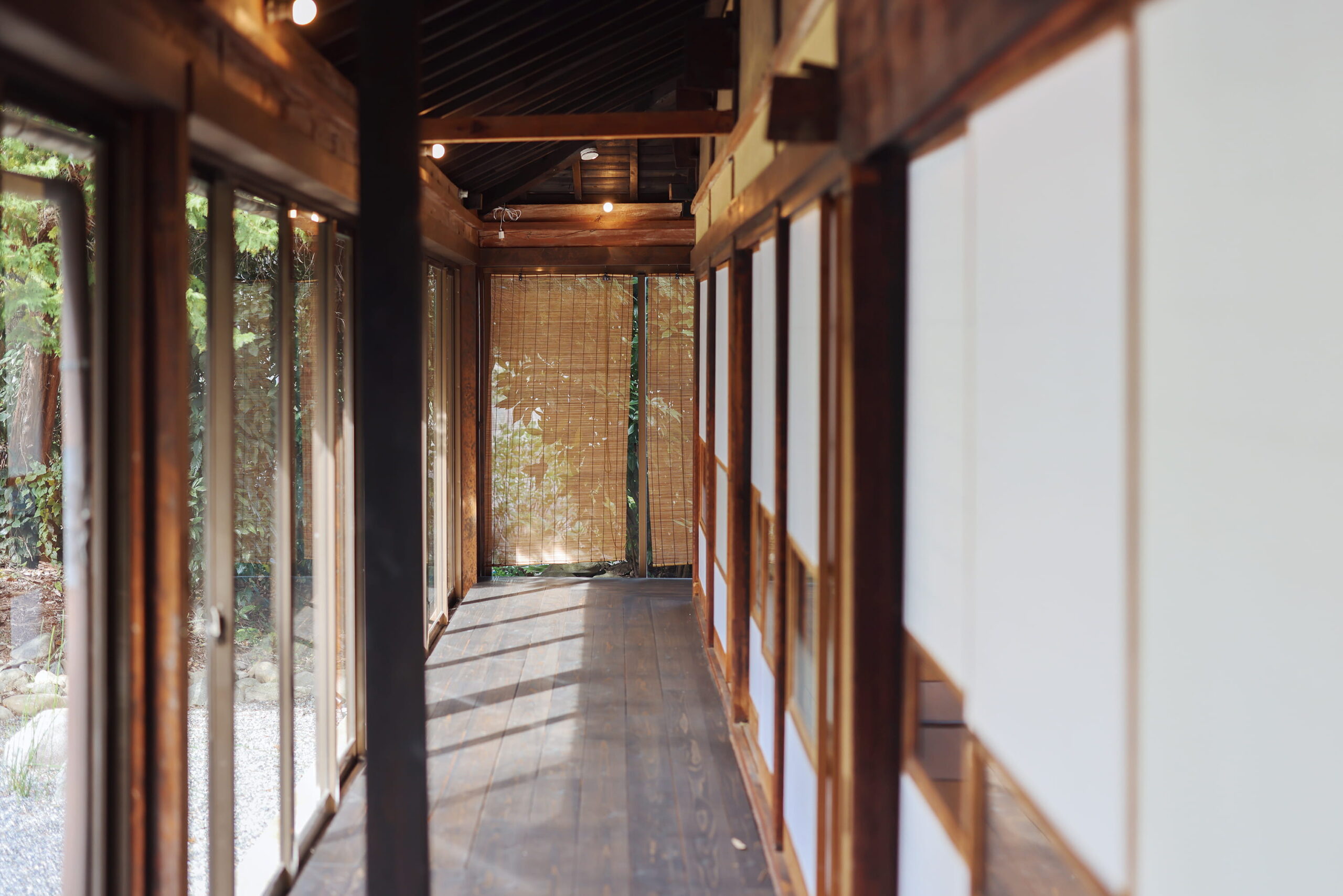
これからのものづくりや心地よい働き方、豊かな暮らしについて、代表の今井久志が対話からヒントを探る連載。第2回目のゲストは、山梨と千葉を中心に約30棟の一棟貸し文化宿を運営する株式会社LOOOFの取締役副社長・丸谷篤史さんです。「るうふ」の屋号で、日本古来の木造建築がつくる地域の景色を守り受け継ぐことを軸に置き、古民家の再生を続けています。伝統建築の未来を拓いていくという共通項のもと、どんな話が繰り広げられるのでしょうか。
This is a serialized dialogue in which Hisashi Imai, CEO of SOBOKUYA, explores ideas for future craftsmanship, comfortable ways of working, and richer ways of living through conversation.
The guest for the second installment is Atsushi Marutani, Vice President of LOOOF Inc., a company that operates around 30 private cultural inns mainly in Yamanashi and Chiba.
Under the brand name “Ruūf”, LOOOF continues to restore traditional Japanese wooden houses, with a core philosophy of preserving and passing on the regional landscapes shaped by vernacular wooden architecture.
With a shared commitment to opening new paths for the future of traditional architecture, what kind of dialogue will unfold?
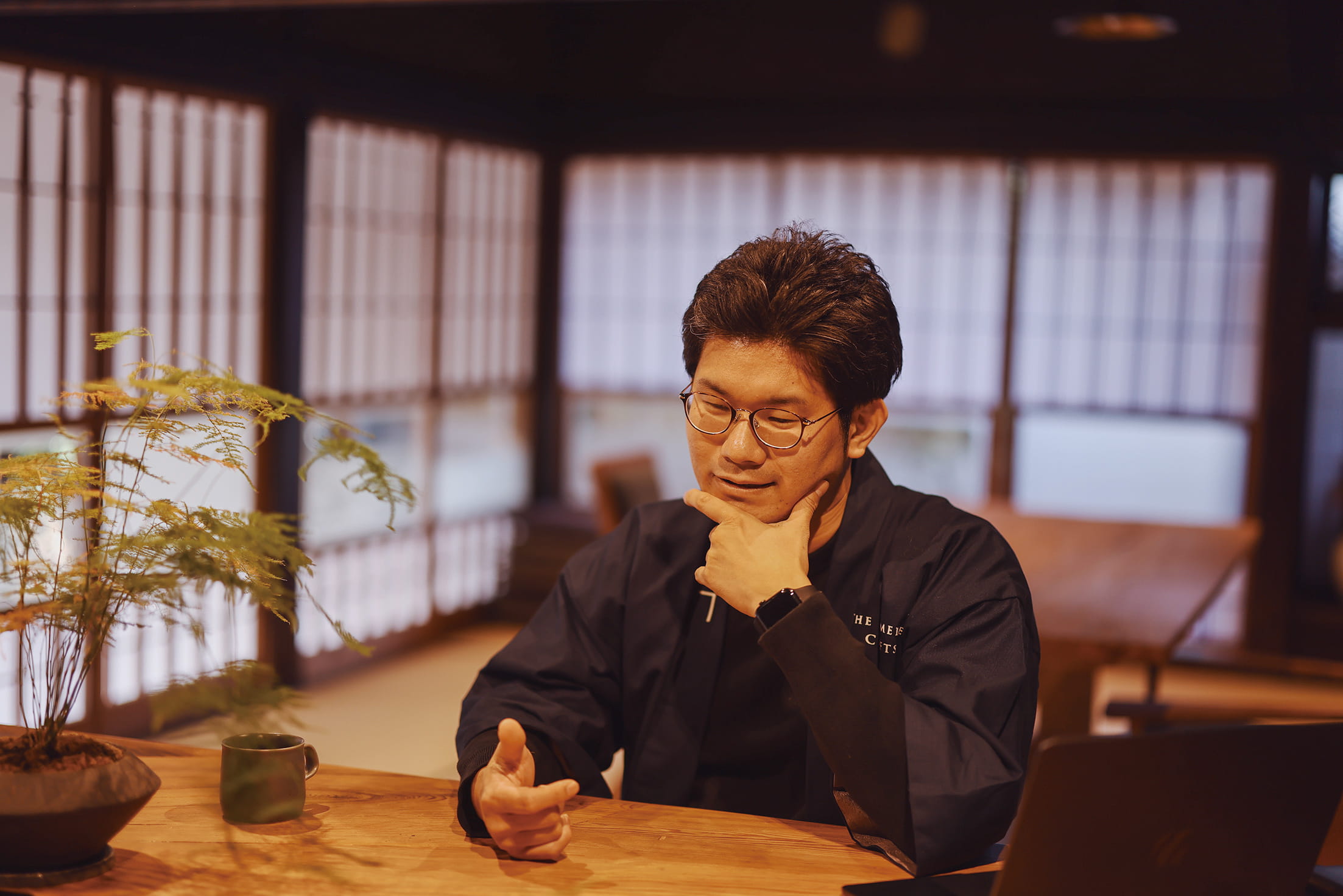
丸谷篤史
Atsushi Marutani
1986年、広島県生まれ、株式会社LOOOF 取締役副社長。地域に残る生活文化財を活用した古民家のチェーン展開、新規事業開発、ブランド構築など経営戦略を担う。
Born in Hiroshima Prefecture in 1986. Vice President of LOOOF Inc.
He is responsible for management strategy, including the chain development of renovated traditional houses utilizing local cultural assets, new business development, and brand building.
その土地にしかない風景を 日本中につくりたい
Creating Landscapes Unique to Each Place Across Japan
今井 るうふという名前の由来はどちらからですか?
IMAI Where does the name “Ruūf” come from?
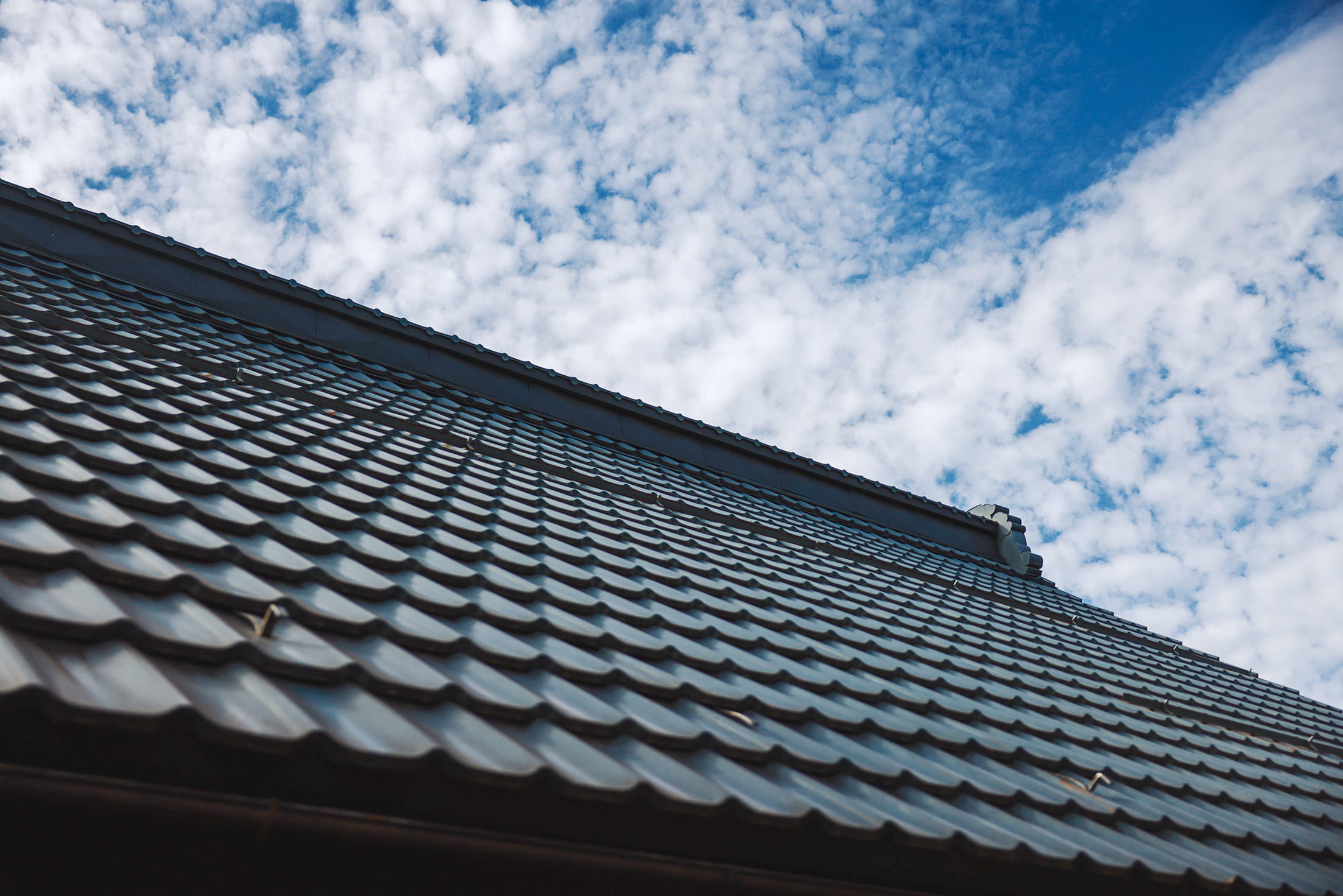
丸谷篤史さん(以下、丸谷) 最初は、ローカル・オフ、地域で休息をするという言葉が由来でした。屋号としてローカルの頭文字とオフを合わせてLOOOFと名付けました。今は地域(LOCAL)と屋根(ROOF)を組み合わせて、地域の屋根を守るというブランドの意味を持たせています。屋根がその土地ならではの風景をつくっていくと考えているからです。
MARUTANI Originally, it came from the phrase “local off”—taking rest within a local place. We combined “local” and “off” to create the name LOOOF.
Today, the name carries another meaning: a combination of LOCAL and ROOF, representing our mission to protect the roofs of each region. We believe that roofs are what shape the unique landscapes of a place.
今井 僕自身も設計者の一人として、素朴屋の建築は屋根の建築だと思っているので、そこを大事にしようという話はいつもしていますね。事業展開はいつ頃から始まったんですか?
IMAI As a designer myself, I often say that SOBOKUYA’s architecture is essentially architecture of the roof, so I really resonate with that idea. When did your business expansion begin?
丸谷 2014年からです。代表は妻なのですが、地元が笛吹市の芦川町という当時400人ほどしか住んでいない限界集落で。超過疎地域である地元で、何ができるかを彼女が探していたことがはじまりでした。地域のことを調べていくうちに、伝統工法の木造建築の古民家が白川郷よりも残っているということを知り、木造日本建築を使った事業を考えていきました。そうして、半分セルフでもう半分はプロにお願いして、2014年10月に1棟目の宿が完成して。そこから緩やかに古民家の宿を増やし、4年ほど前から一気に拡大しています。企画・設計・施工・運営までを一括して、ものづくりから宿の運営までするのが特徴で、大工も4年前から自社で抱えています。
MARUTANI In 2014. My wife, who is also our CEO, is from Ashigawa in Fuefuki City—a marginal village that had only about 400 residents at the time. She started by asking what could be done in such a severely depopulated area.
While researching the region, she discovered that there were more traditional wooden houses built with historic construction methods than even in Shirakawa-go. That led us to envision a business centered on traditional Japanese wooden architecture.
We built our first inn in October 2014—half self-built, half with professionals. From there, we gradually increased the number of traditional house inns, and about four years ago, we began expanding rapidly.
What defines us is that we handle everything in-house—from planning, design, and construction to operation. We even began employing our own carpenters four years ago.
今井 事業を拡大していくことになったのは、何かきっかけがあったんですか?
IMAI Was there a turning point that pushed you to expand the business?
丸谷 一番大きかったのは、3棟目の宿をつくっているときに職人さんがいなさすぎて行き詰まったことです。2棟目はスーパー大工さんが一人で図面も描いて全部建ててくれたんです。大工さんが捕まらなくて調べていくと、大工人口自体が少なく、かつ若い人が全然いないことを知りました。こんなに素晴らしいプロダクトをどう残していくかを考えたときに、伸びていく産業である宿にフォーカスを当てて出店を加速していけば、木造建築ばかりを扱う設計施工チームができるのではないかと思い、チームを立ち上げたことがきっかけです。100棟、200棟と木造建築を扱い続けようという決意でした。
MARUTANI The biggest trigger was when we hit a wall due to a severe shortage of craftsmen while building our third inn.
For the second inn, we had an exceptional carpenter who drew the plans himself and built everything alone. But as we searched for more carpenters, we realized how few there were, especially young ones.
We began asking ourselves how to preserve such an incredible craft. By focusing on accommodations—a growing industry—and accelerating expansion, we thought we could create a design-and-build team dedicated entirely to wooden architecture.
That’s when we decided to build a team with the intention of working on 100, even 200 wooden buildings.
今井 なるほど。仕事がどんどんくる以上、彼らも遊んでいるわけにはいかないですしね。
IMAI That makes sense. If work keeps coming, craftsmen can’t afford to sit idle.
丸谷 それもありますし、基本的に設計施工はクライアントありきになってしまうので、自分たちが本当につくりたいものをつくることができないのではとも思いました。そういった環境を変えるために、宿をどんどんつくることでコントロールできます。
MARUTANI Exactly. Also, client work inevitably prioritizes the client’s preferences, which can make it difficult to build what we truly want. By continuously creating inns of our own, we can retain control.
今井 おもしろいですね。自分の好きなものをつくりたかったら、自分たちのものじゃなきゃダメですよね。
IMAI That’s interesting. If you want to make what you truly love, it has to be your own project.
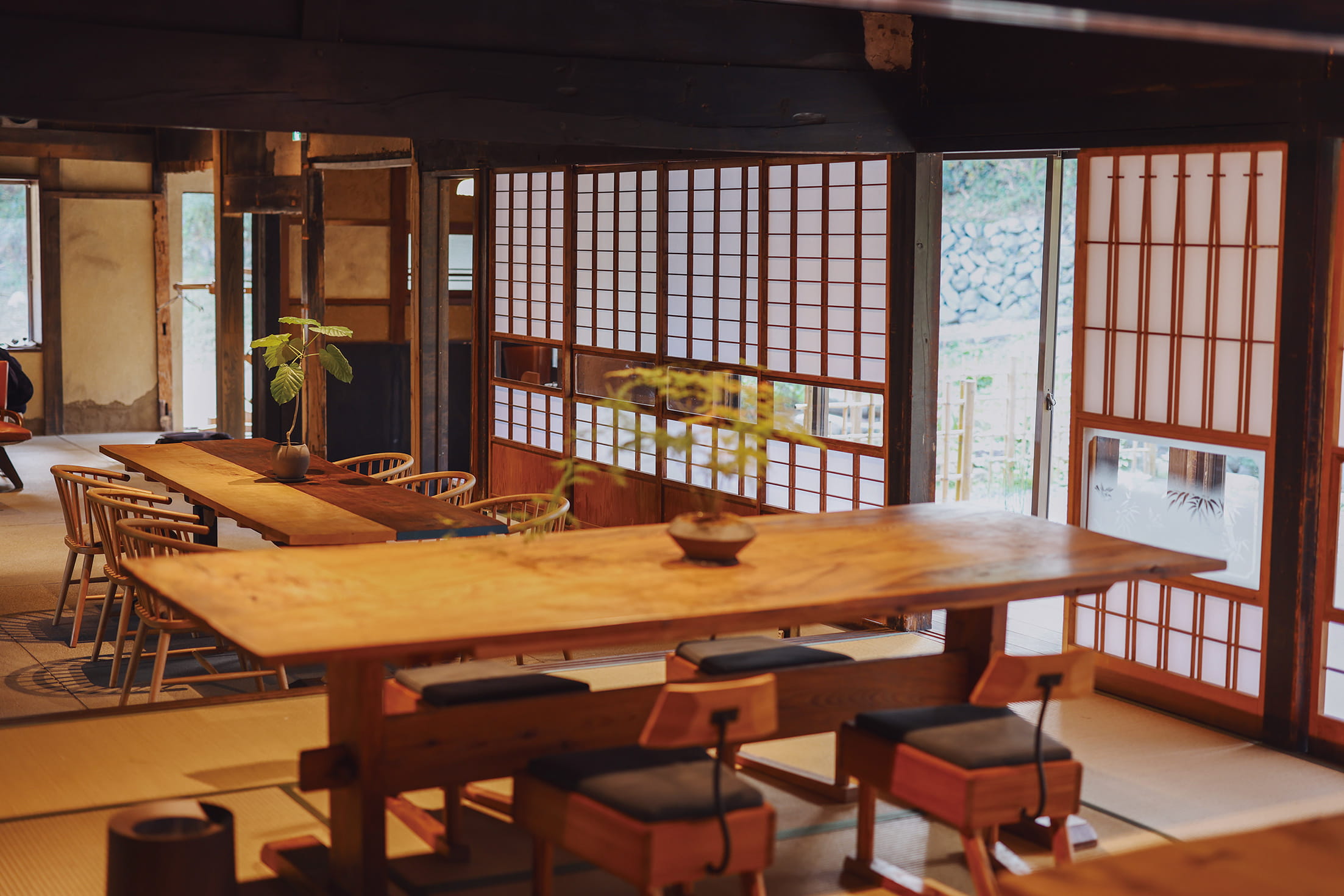
丸谷 はい。でも難しさも感じています。クライアントワークはクライアントワークで、お客さんがシビアであるほどいいものはつくれるので。
MARUTANI Yes, although it’s not without challenges. Client work can be very valuable too—especially when clients are demanding, because that pressure often leads to better results.
今井 適度なバランスは必要ですよね。うちも、自社で設計施工する案件ばかりをやっていると引き出しは増えないですね。外部の設計士さんと仕事をしたり、少し変な話ではあるけれど自分の意にはそぐわないような仕事をすると、意外と発見がある。食わず嫌いの素材もあったりしますよね。最近はコンクリートも鉄もガラスもあらゆる素材を使いますよ。木という主体がある中で他の素材を使う懐の深さは、外部の設計士さんとの仕事によって広がっていきました。
IMAI Balance is essential. At SOBOKUYA, if we only do our own design-build projects, our range doesn’t expand. Working with external architects or even taking on projects that don’t fully align with our personal tastes often leads to unexpected discoveries.
Recently, we’ve been using concrete, steel, glass—many materials. Keeping wood as the core while incorporating others came from collaborating with outside designers.
丸谷 職人を抱えるようにはなりましたが、実は全然つくりたいものはできていないんです。
MARUTANI Even though we employ craftsmen, we still haven’t been able to fully create what we want.
今井 それはどんなところに課題を感じていますか?
IMAI Where do you feel the biggest challenge lies?
丸谷 やはりデザインから施工へのラインですかね。目指しているのは、デザインできる大工を育成するか、施工側のデザイナーを育てるかのどちらかだとは思っているのですが。なぜなら、昔の大工は基本的に図面も描いていたからデザインもしているじゃないですか。しかし、現代の大工でデザインまでできる方は本当に少ない。
MARUTANI The connection between design and construction. Ideally, we’d either train carpenters who can design or designers who truly understand construction.
Historically, carpenters drew their own plans. But today, very few carpenters can design.
今井 うちも同じような問題を抱えていますよ。僕自身は、大工に図面が足りないとよく言われるんですよ。でも、図面が足りないなんて逆にチャンスじゃないですか。ある意味、自分の好きなようにやっていいということだから。素朴屋としては、そこを喜ぶ人間に来てほしいんですよね。うちの建築を理解した上でやってもらえれば、すべての図面を描く必要もない。特に古民家のリノベーションだと、現場で緻密に測量して忠実に再現しないと本当の図面にならないですしね。るうふとして何を美しいと思うのか、どんなものをつくりたいのかを現場に共有し、志のある人を集める努力こそが重要だと思いますよ。
ところで、篤史さんご自身はどちらのお生まれなんですか?
IMAI We face the same issue. Carpenters often tell me our drawings aren’t detailed enough—but I see that as an opportunity. It means they can interpret and build freely.
At SOBOKUYA, we want people who enjoy that freedom. Especially with traditional house renovations, precise drawings can only truly emerge on site through careful measurement and reconstruction.
What matters most is sharing what we find beautiful and what we aim to create, and gathering people who resonate with that vision.
By the way, where are you originally from?
丸谷 僕は広島市出身です。妻とは、新卒入社した農業ビジネスを展開する会社で出会いました。生産から流通、飲食店の運営まで一貫して手掛けている会社で、社長はものづくりをする人が豊かになる市場をつくることを目指していて。たとえば、野菜を育てるのは人で職人仕事と言えるのに、JAの流通規格に合わせて同じ形状に揃えられて1つ100円という形で流通しますよね。こだわって生産している農家さんがいるなら1つ500円で流通できる世界をつくろうと考えていたことから、ものづくりをする人が尊ばれるべきだという基本的な概念が芽生えました。
僕も職人が一番かっこいい職業だと思っています。大工や設計士が、もっと豊かになれる世界をどうつくっていくかがそもそもの出発点としてありました。ただ、僕自身は職人には向いていないので、マーケットを変えていくことがミッションだと考えました。来世は大工か設計士になりたいと、つねに大工チームに言っています(笑)。
MARUTANI I’m from Hiroshima City. I met my wife at a company where we both joined as new graduates—a business spanning agriculture, distribution, and restaurant management.
The CEO believed in creating markets where makers could live well. For example, even though growing vegetables is skilled labor, produce is standardized and sold cheaply. He wanted to create a system where carefully grown produce could be valued appropriately.
That idea—that makers should be respected—really shaped my thinking. I believe craftsmen have the coolest jobs.
My starting point was figuring out how to create a world where carpenters and architects could thrive. Personally, I’m not suited to being a craftsman, so I decided my mission was to change the market. I often joke with our carpenters that I want to be one in my next life.
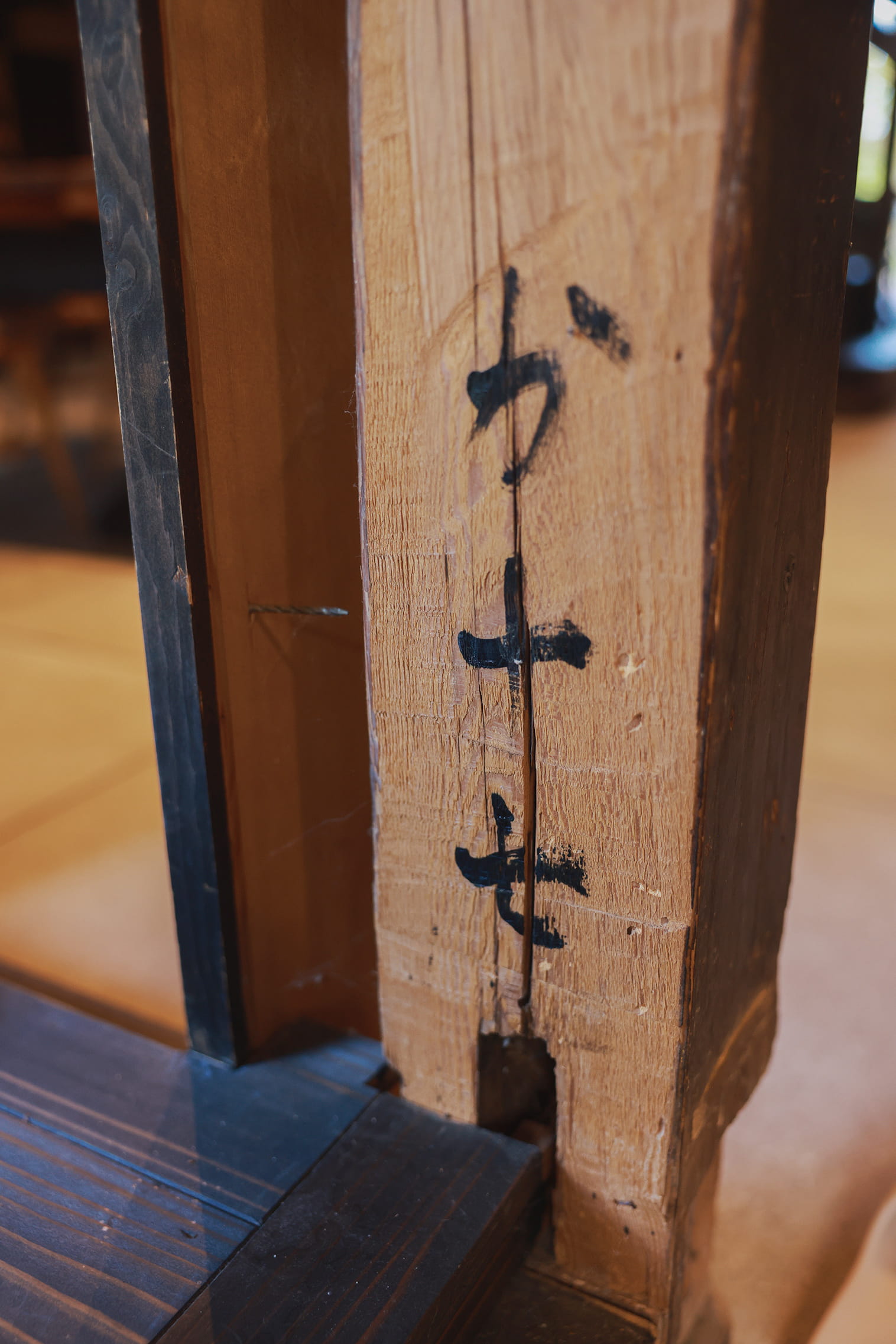
今井 やっていることが如実に形として残るし、人からも大きく評価される。だから大工は面白いと思いますね。
IMAI The results of their work remain visible, and they’re deeply appreciated. That’s what makes carpentry fascinating.
丸谷 最高の職業ですよね。手間が価値であることを伝えていくために、文化的な景色をつくりたいというのが一つと、もう一つはマイノリティのキャリア支援もやっていきたいです。農業ビジネスを学んだ後は、障害者の福祉施設を拡大させる仕事をしていました。新卒の会社で培ったものづくりの流通を変えるという考え方と、前職の多店舗展開の手法がいま活きています。
現在27棟ある宿には、それぞれに違うオーナーがいます。不動産出資という形で投資家に出資してもらうモデルにすることで、日本中に木造建築の宿をつくっていく考え方です。
MARUTANI It truly is the best profession. We want to create cultural landscapes that communicate the value of effort.
We also want to support minority career paths. After that first company, I worked on expanding welfare facilities for people with disabilities. What I learned about distribution and multi-location expansion now informs our current work.
Each of our 27 inns has a different owner. By using a real estate investment model, we aim to build wooden inns across Japan.
今井 なかなか真似できない形式ですよね。宿泊業の可能性は多様だとも感じます。
IMAI That’s a model not easily replicated. The possibilities of hospitality feel vast.
丸谷 僕たちは今年から伝統建築を新築する方向に振り切りたいと考えています。1つの集落に数十棟を建てることで景色をつくりたいんですよ。学生時代にバックパッカーをしていた頃から、中東やアジアの地方都市の何気ない風景が好きで。もちろんヨーロッパの街並みも美しいとは思いますが、日本建築も含めて屋根に独自性があるといいますか、その土地ならではの特徴がある。そんなに立派な建物ではないけれど、連なる景色に惹かれました。だからこそ、日本の田舎の集落にあるそこにしかない独特の風景を日本中につくり出したくて。日本は、高度経済成長で建物がほとんど入れ替わってしまって、街に景色がないとも感じています。東京へ行こうが、広島だろうが山梨だろうが風景が同じ。子どもを連れていろんな場所へ行きますが、「ここ山梨?」って何度も聞くんですよ。つまり、子どもの眼から見てもそのくらい風景が変わらないし、国道ではほぼ同じチェーン店が連なっています。そんな寂しい景色を変えたくて。集落を丸ごとつくって、宿場町のように再建していきたいと考えています。
ただ、圧倒的につくり手がいない。実は素朴屋さんのことは以前から存じ上げていて、僕たちも勉強させていただきたいと考えていました。うちの大工チームで一度お邪魔させてもらってもいいですか?
MARUTANI From this year, we want to fully commit to building new traditional architecture. By constructing dozens of buildings within a single village, we want to create landscapes.
Since my backpacking days, I’ve loved the ordinary scenery of local towns in the Middle East and Asia. Not grand buildings, but continuous rooflines forming a place.
Japan lost much of its landscape during rapid economic growth. Everywhere looks the same now. Even children notice—it’s heartbreaking.
That’s why we want to rebuild entire settlements, like historic post towns.
But there’s a severe shortage of builders. I’ve known about SOBOKUYA for some time and hoped we could learn from you. Could our carpentry team visit?
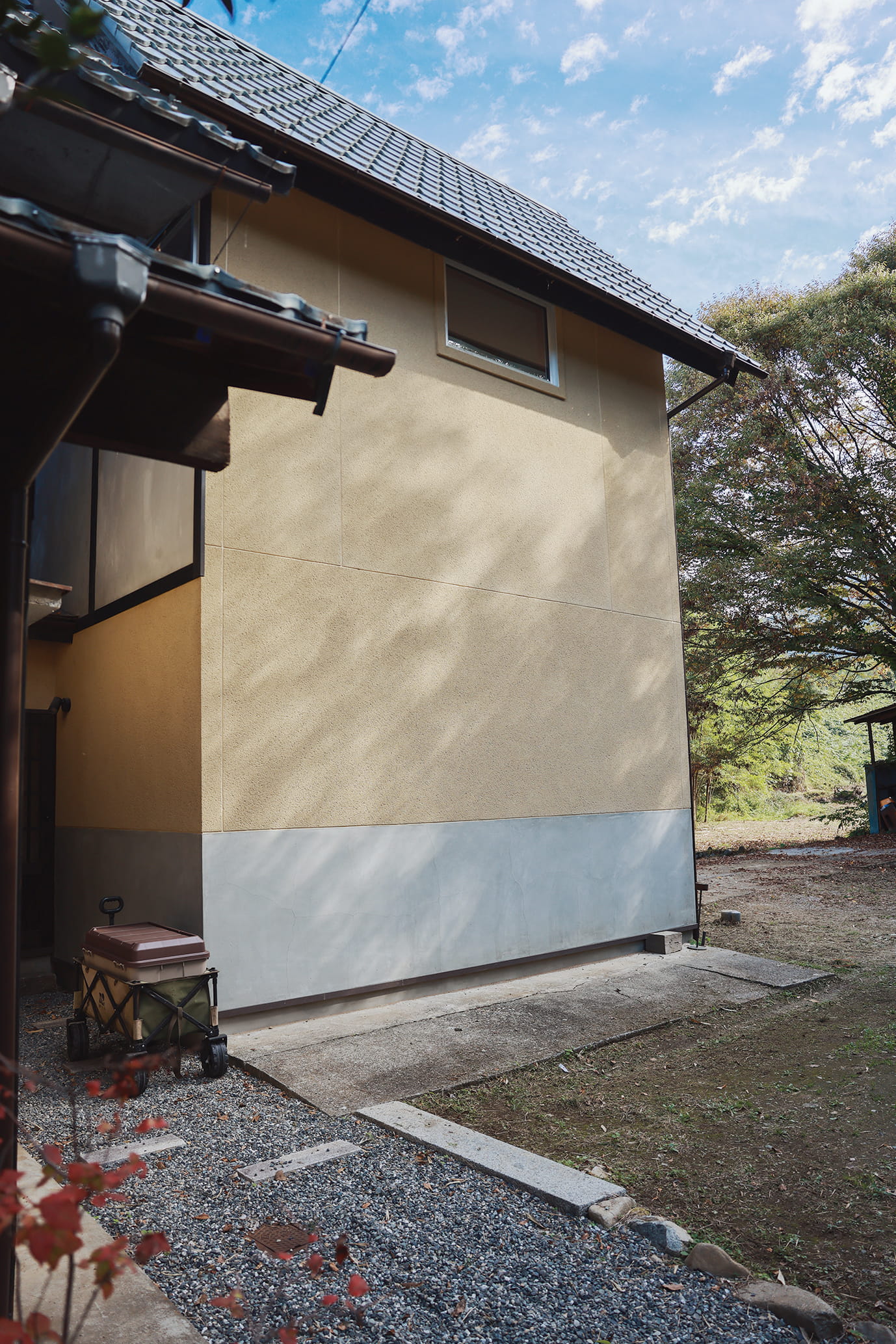
今井 ぜひお越しください。人的交流もしていきましょう。風景をつくりたいという言葉がいいですし、その気持ちはよくわかります。うちは最近、大工になりたいという若い人が集まるんです。若い人がやりたいって言ってくれるのは本当にうれしいですよ。喜んで自ら道具を買ってきますしね。たぶん、日本人のDNAにちゃんと刻まれているんだと思うんですよ。若手がやる気がないわけでは決してなく、チャンスがないだけだと感じます。仕事をちゃんと見つけさえすれば、伝統建築というのは必ず残っていく仕事だろうとは強く思いますね。
IMAI Absolutely. Let’s encourage exchange. I truly understand the desire to create landscapes.
Recently, many young people have been wanting to become carpenters. It’s in Japanese DNA. They lack opportunity, not motivation.
If we can provide proper work, traditional architecture will surely endure.
丸谷 地方には著名建築家が設計した建築が多く、その土地である必要がない建物が多いと思っているんです。
MARUTANI Many regional buildings are designed by famous architects, yet feel disconnected from their place.
今井 調和されていないということですよね。
IMAI They lack harmony.
丸谷 はい。僕たちは、建物を見て、あの建築家の作品だと言われるようなものをつくらないことが一番いいと考えています。るうふがつくったと言われる必要もない。そもそも大工はそういう方が多いじゃないですか。そんな中で素朴屋さんがつくる建物には、調和する美しさがある。木造建築であることが大きいとは思うのですが、地元の素材を使っていることも尊敬している点で、僕たちもそうありたいと考えています。だから新築モデルをぜひ一緒につくりたいです。
ローカル・バラエティこそが豊かだと思うんです。地方品種というか。その土地ならではの素材を使った建築があり、文化が育っていく。そういうアイデンティティがあることが豊かですよね。
MARUTANI Exactly. Ideally, no one should say, “That’s by a famous architect.”
SOBOKUYA’s buildings have a harmonizing beauty. Using local materials is something we deeply respect—and something we want to pursue together.
Local variety is richness. Architecture rooted in local materials and culture gives places their identity.
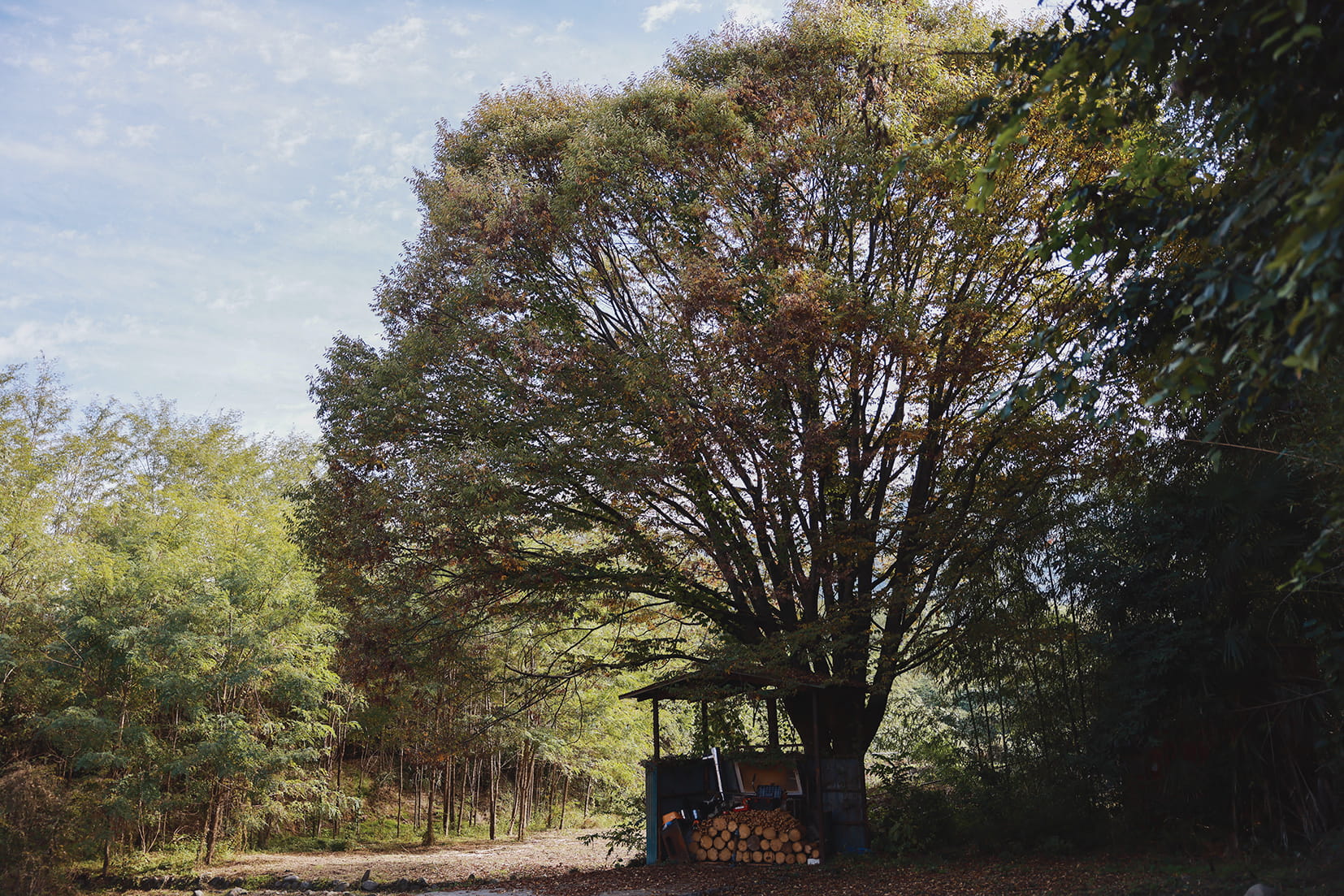
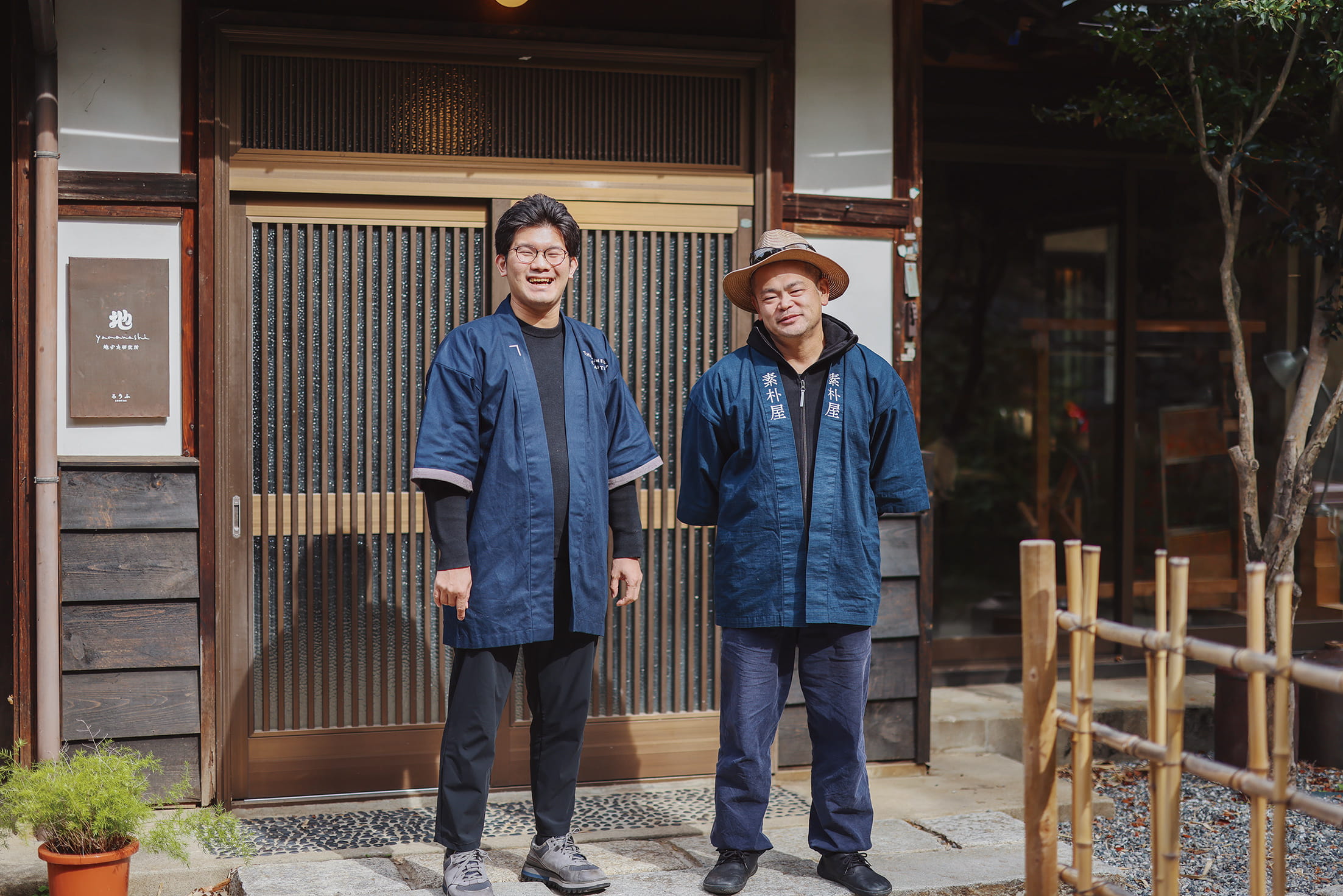
集落をつくり、 地域ならではの景色を育む
Creating Settlements and Nurturing Region-Specific Landscapes
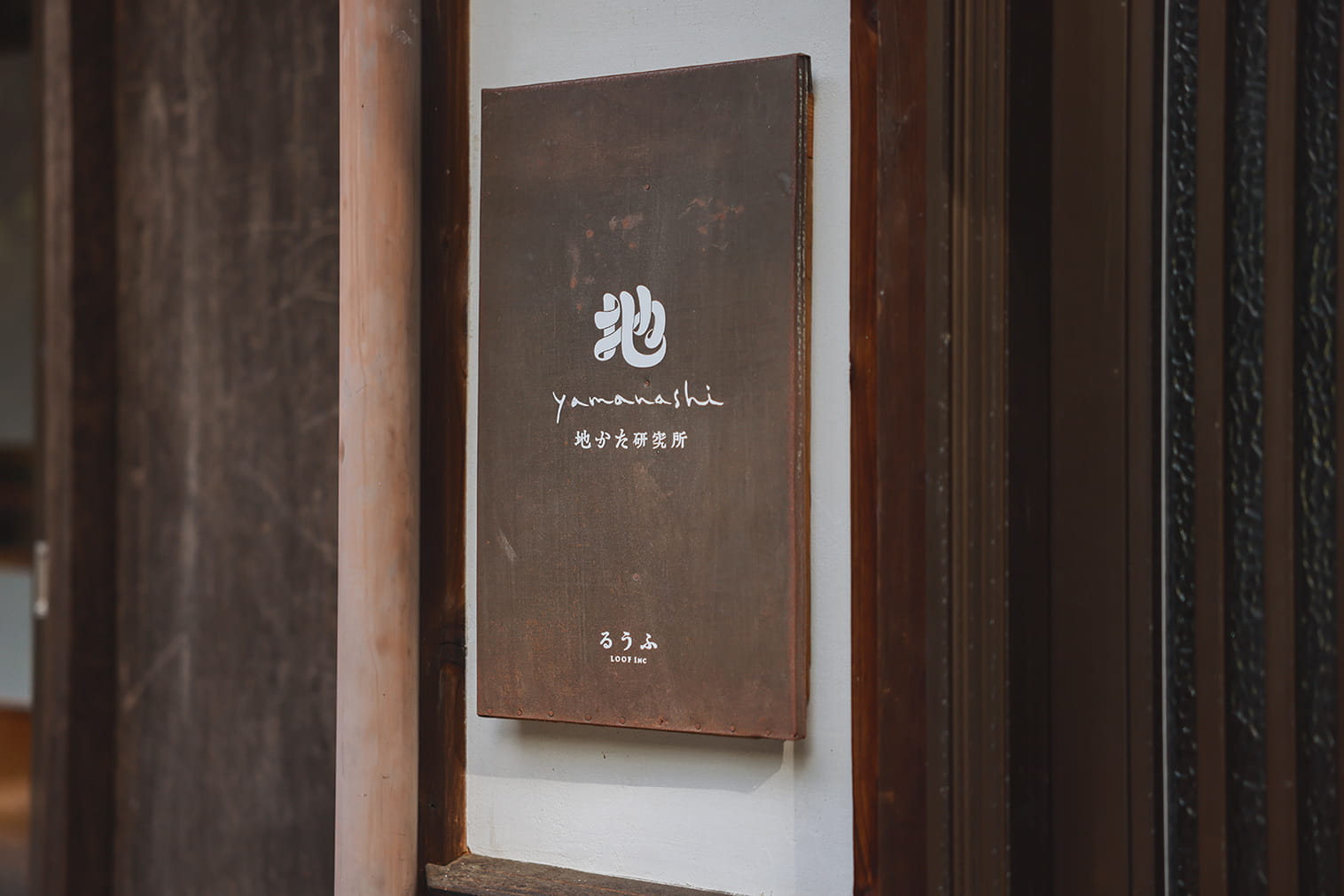
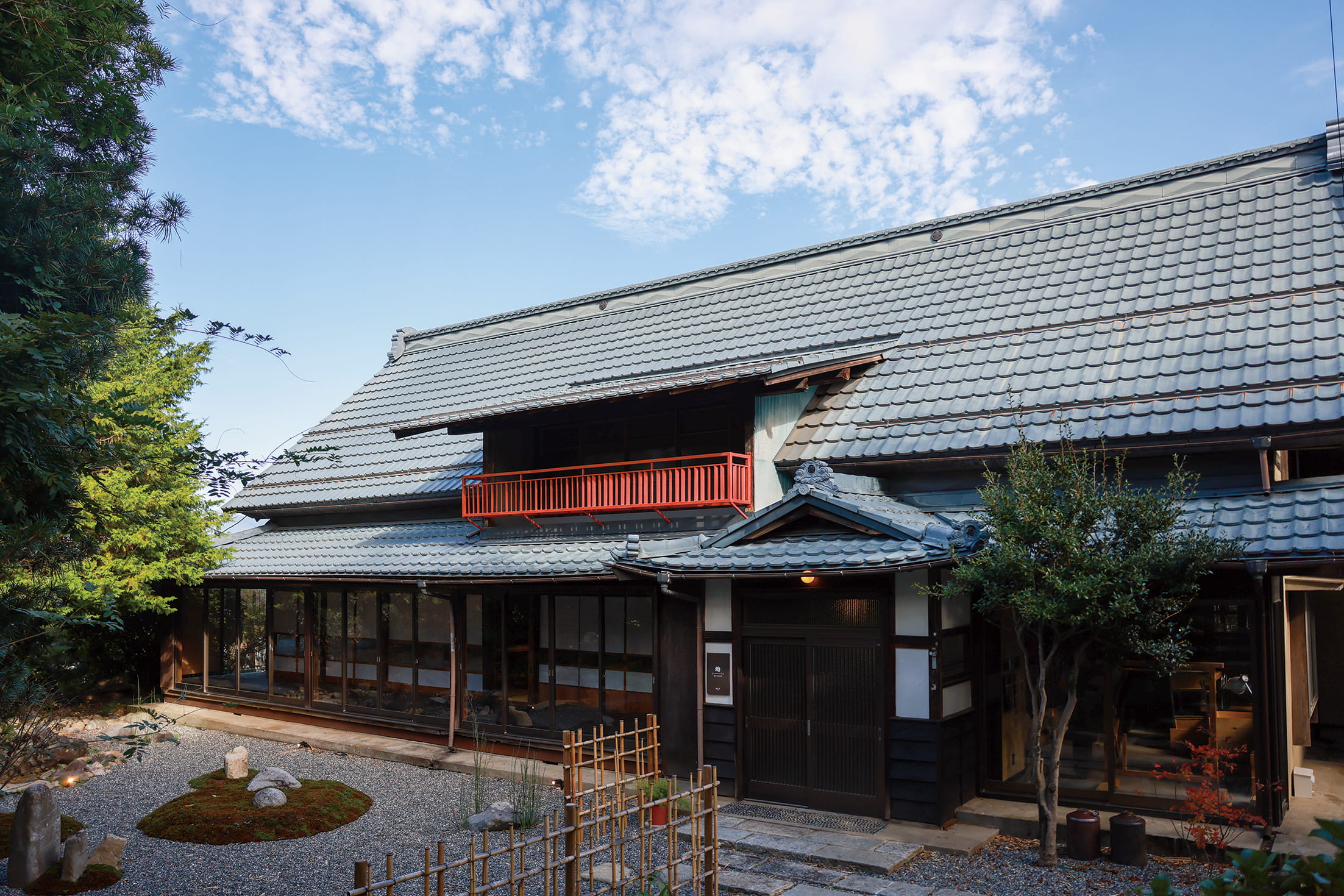
【取材した場所】
地かた研究所 -YAMANASHI-
山梨県笛吹市御坂町下黒駒14-1
TEL / 055-244-3895