2026.1.26
建築探訪 素朴屋今井が尋ねる“素”を感じる建築
Architectural Walks “Simplicity” Through the Eyes of Imai from SOBOKUYA
神長官 守矢史料館 : 長野県茅野市
Moriyashiryokan (Moriya Shrine Historical Archives), Chino City, Nagano
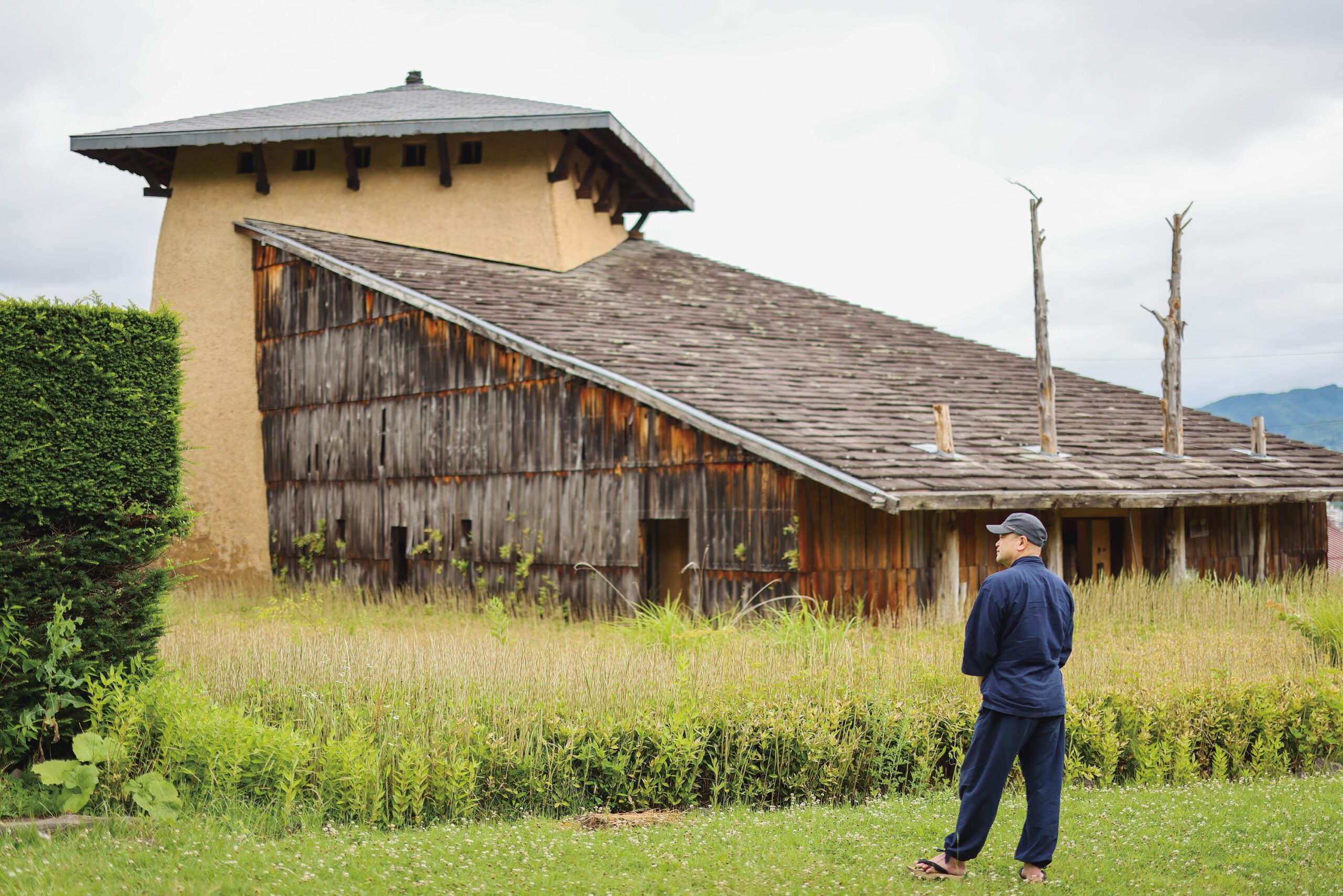
藤森照信には夢がある
Terunobu Fujimori Carries a Dream
何か建築を見に行くときは、いつも、ひとつでいいから、何か持ち帰りたいと考えている。それは、落ちている石ころを拾ってくるわけではなく、展示品をくすねてくるわけでもない。
ドアノブの素材や天井照明の位置、棟の形状、なんでもいいので、何かアイデアをもらって帰りたいと目論んでいる。
それはひとつでよくて、むしろ、ひとつの方がいい。
なぜなら、ふたつ以上あると、なんだか忘れていくような感覚があり、それを書き留めて、後で眺めたとしても、本当に持ち帰りたかったものでは、なくなっているような気がするからである。
でも、本当に一番持ち帰りたいものは、空気感というか、雰囲気というか、その建築そのものから漏れ出すニオイのようなものだと思う。
ただ、そんな不確かなものは、持ち帰る以前に、掴み取ることも困難で、あまりそんなことばかり考えていると、だんだん楽しくなくなっていく。
Whenever I go to see a piece of architecture, I always hope to bring something back with me—just one thing.
Not a stone from the ground, not a display item smuggled out.
It could be anything: the material of a doorknob, the placement of a ceiling light, the shape of the roof ridge.
If I can take home even one small idea, I feel satisfied.
One is enough—one is actually better.
If I try to bring back two or more, they somehow start to blur. Even if I write them down and reread the notes later, they no longer feel like the thing I truly wanted to keep.
But the real treasure I want to take home is something like the “air” of the place—the atmosphere, the scent that seems to seep out of the architecture itself.
And yet, such an elusive thing is nearly impossible to grasp, let alone bring back.
If I focus too much on trying to capture it, the visit stops being fun.
藤森照信は、建築史家であり、建築家でもある。この世に建築史家という職業があることすら知らなかった私は、この史料館を見るまで、藤森照信のことも知らなかった。
でも、私はこの建物が大好きだ。ここに来るといつも、元祖天才バカボンの絵が浮かぶ。戦後昭和の開放感や爽快感が満ち満ちたこの漫画の世界観と通じるものを感じる。
壁から突き出す獣の頭、危険を求める茶室、無慈悲に腐食していく壁材などが、下駄を鳴らすバカボン、非効率なレレレのおじさん、 土埃が舞う路地などを思い起こさせる。
Terunobu Fujimori is both an architectural historian and an architect.
Until I saw this museum, I didn’t even know “architectural historian” was a profession, nor had I heard of Fujimori himself.
But I love this building. Every time I come here, the world of Ganso Tensai Bakabon pops into my mind.
There’s something about it that resonates with the cartoon’s sense of postwar freedom and refreshing absurdity.
The animal heads jutting out from the walls, the tea room that seems to flirt with danger, the wall materials decaying without mercy—
they all remind me of Bakabon clacking around in his wooden sandals, the inefficient old man sweeping the streets, and the dusty back alleys of that world.
藤森照信には夢がある。
Fujimori carries a dream.
それは、晩成の作家が生み出す奇怪な建築にではない。それは、彼の不可解な哲学が、これからの建築を担う若き才能に、これでいいのだと、無責任な励ましを与えることで、彼らの夢を支えることになるからだ。
そして、私も、よくわからなくなった時に、ここを訪れ、諦めに似た感情を抱くとともに、また、恥をかく勇気が湧いてくるのである。
It’s not the dream hidden inside the bizarre forms created by a late-blooming artist.
It is the dream that his strange and inscrutable philosophy quietly slips into the minds of young architects—giving them a gentle, almost irresponsible whisper: “It’s okay to be this way.”
And that whisper supports their dreams.
Whenever I feel lost, I come back here.
And with a feeling close to resignation, I somehow regain the courage to make a fool of myself once more.
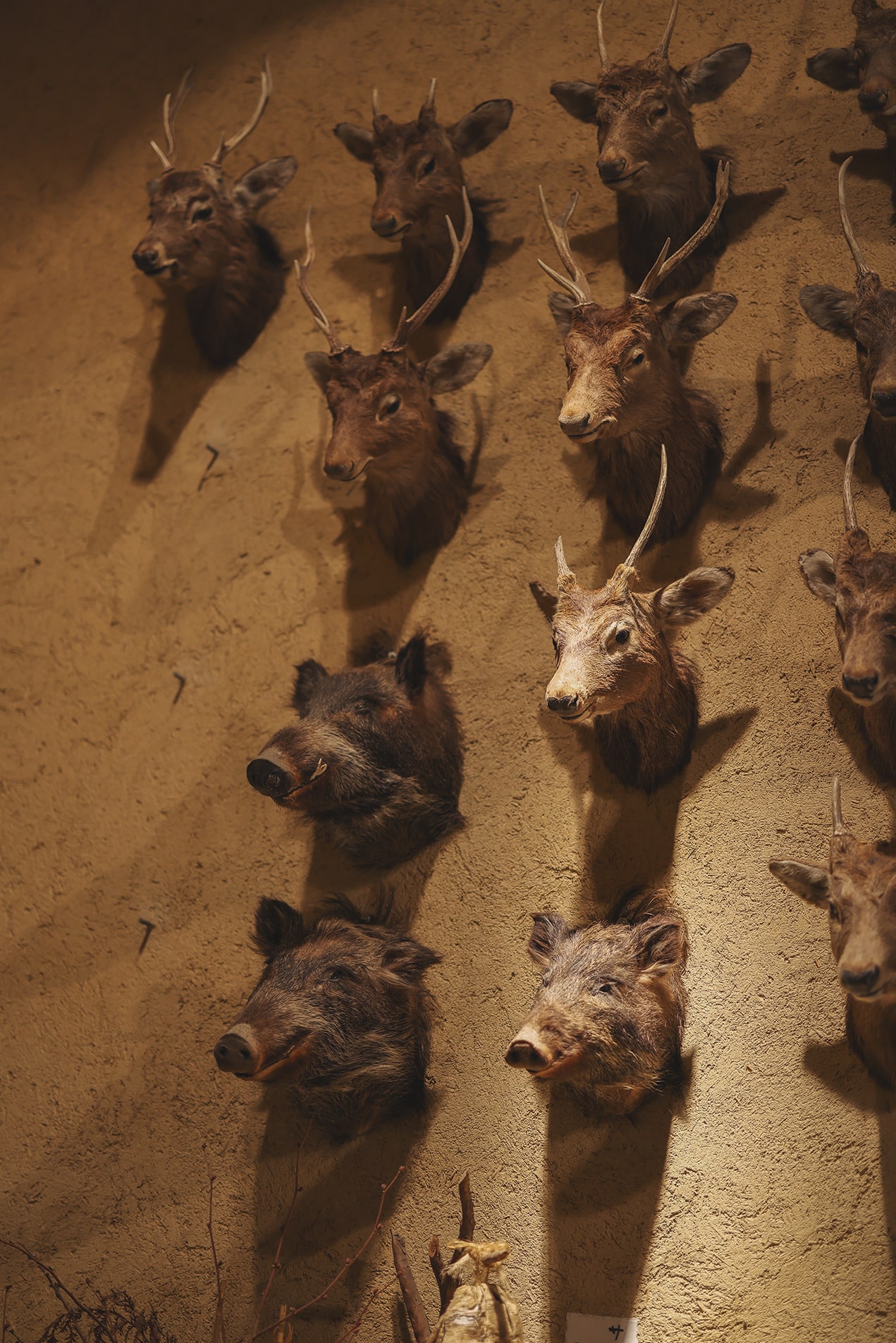
守矢資料館は、諏訪上社の神長官という役職を勤めてきた守矢家に残された鎌倉時代から伝わる守矢文書を保管、公開しています。展示室では、諏訪大社で行われる御頭祭(おんとうさい)で供えられた神饌(しんせん)の再現展示が圧巻。建築家・藤森照信氏のデビュー作にして、今なお多くの人がその建築を目にするために訪れます。
The Moriyashiryokan preserves and exhibits the Moriya Documents—a collection of records passed down since the Kamakura period by the Moriya family, who served for generations as Jinchōkan, the chief ritual officers of Suwa Upper Shrine.
Inside the exhibition hall, the recreated display of sacred offerings used in the Ontōsai ritual at Suwa Taisha is especially striking.
This building is the debut work of architect Terunobu Fujimori, and even today, many people visit Chino City just to experience this unique piece of architecture.
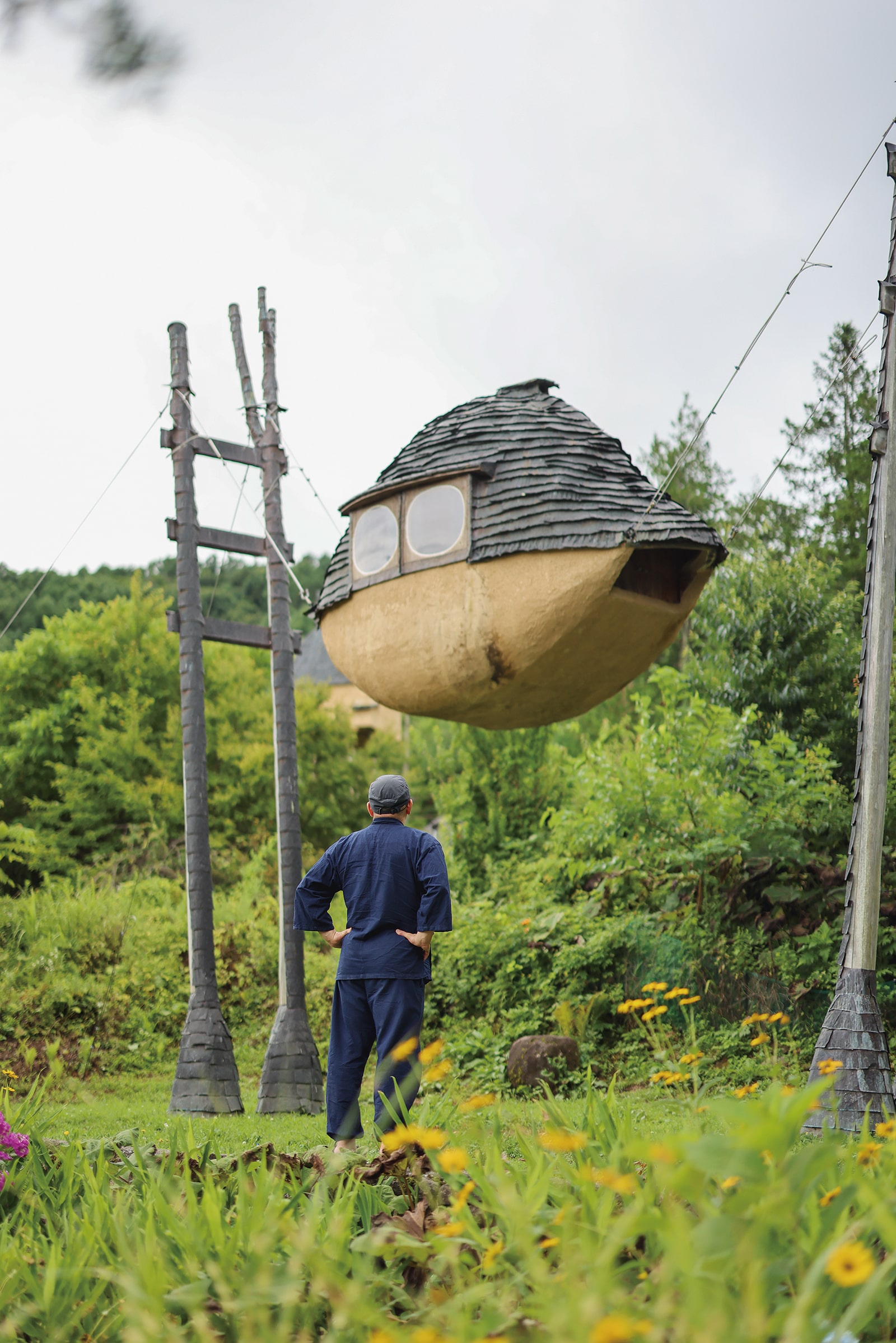
史料館から徒歩で少し坂を登ると現れる藤森さんの手掛けた茶室「空飛ぶ泥舟」。4本のワイヤーで吊り下げられており、地上約3.5mに浮かんでいます。諏訪湖で用いられる小さな漁船「泥舟」が名前の由来だそう。
A short uphill walk from the archive leads to Fujimori’s tea house “Soratobu Dorobune” (Flying Mud Boat).
Suspended by four steel wires, the structure floats about 3.5 meters above the ground. Its name comes from the dorobune—small mud boats traditionally used for fishing on Lake Suwa.
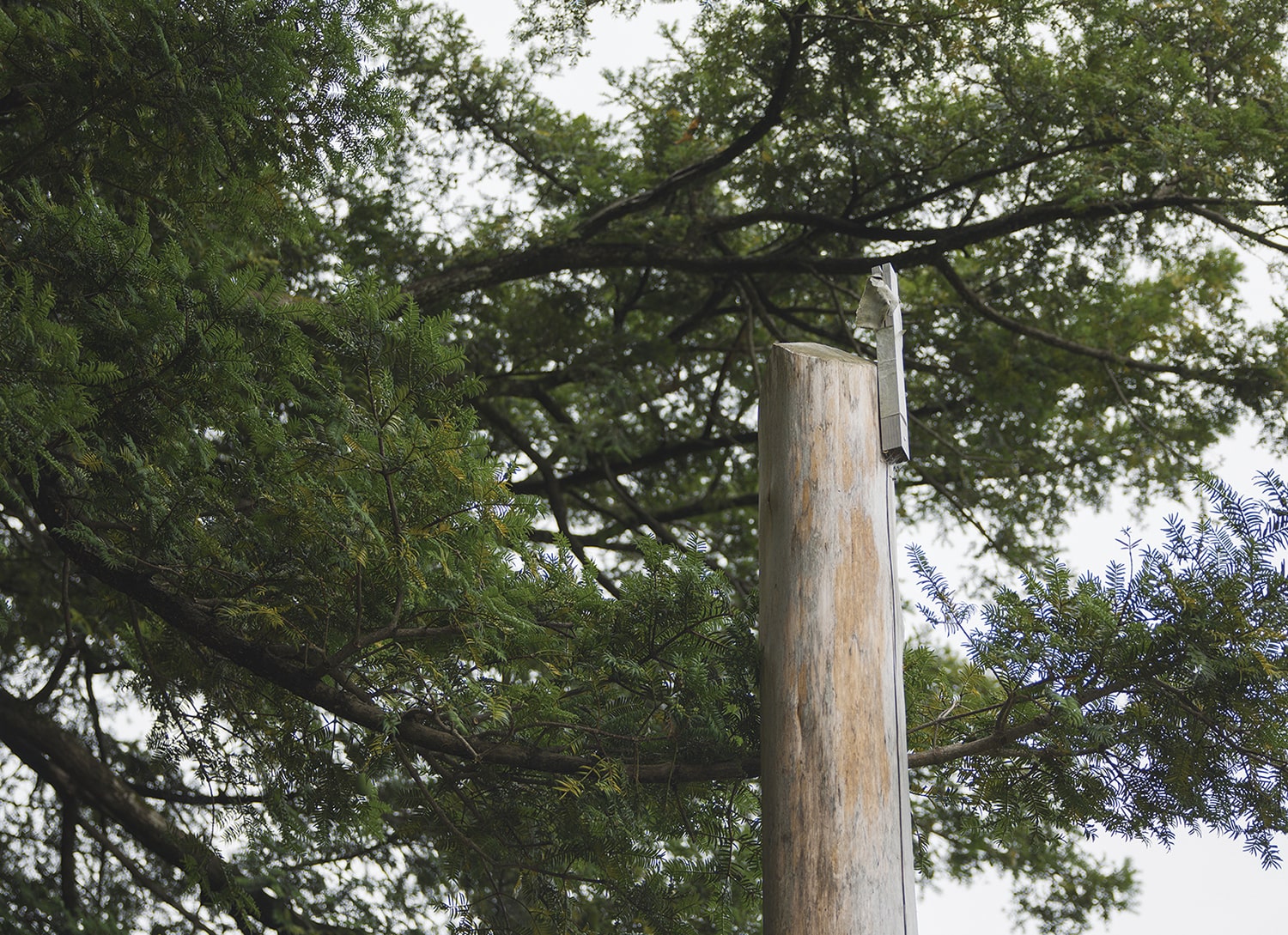
神長官 守矢史料館
Jinchōkan Moriya Historical Archives
長野県茅野市宮川389-1 ☎0266-73-7567
9:00-16:30 月曜定休
389-1 Miyagawa, Chino City, Nagano
TEL: 0266-73-7567
Hours: 9:00–16:30 / Closed Mondays